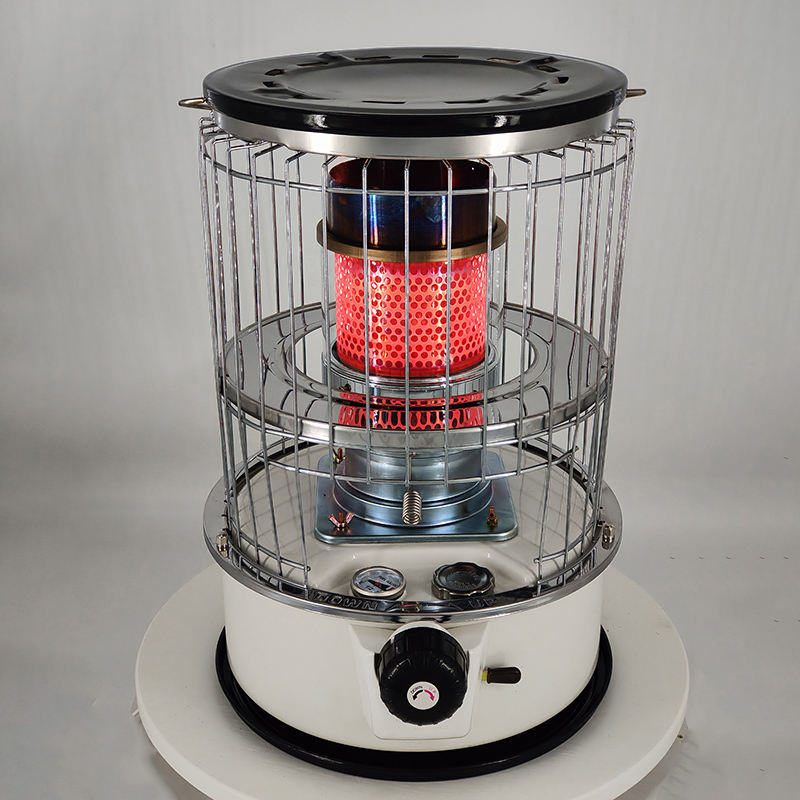
In the realm of household and industrial heating solutions, kerosene heaters have long been valued for their efficiency and convenience, especially in regions without access to central heating systems. However, recent discussions around the environmental and practical implications of burning waste oil in kerosene heaters have sparked widespread attention. This article explores the considerations associated with using waste oil as fuel in kerosene heaters, alongside insights into industry-leading innovations from established manufacturers like Taizhou Hongxin Electrical Technology Co., Ltd.
### Understanding Kerosene Heaters and Fuel Options
Kerosene heaters operate by burning kerosene—a refined petroleum product—to produce heat. They are popular in various parts of the world due to their portability, effectiveness, and relatively low cost compared to electric heating options. The standard fuel, kerosene, burns cleanly under proper conditions, minimizing indoor air pollution and equipment wear.
A growing trend among users is the use of waste oil, such as used motor oil or other forms of recycled lubricants, to fuel kerosene heaters. The appeal is understandable: recycling waste oil as fuel helps reduce disposal costs and environmental impact. However, burning waste oil in appliances specifically designed for kerosene introduces significant safety and technical challenges.
### Risks of Burning Waste Oil in Kerosene Heaters
Burning waste oil in kerosene heaters can pose several hazards that users need to carefully consider:
- **Toxic Emissions:** Waste oil often contains contaminants, heavy metals, and residues that do not entirely combust, resulting in harmful emissions including soot, smoke, and potentially toxic fumes.
- **Equipment Damage:** The burner and wick components of a kerosene heater are engineered for the viscosity and burning characteristics of kerosene. Waste oil, which can be thicker and dirtier, leads to clogging, corrosion, and accelerated wear of essential parts.
- **Safety Hazards:** Improper combustion can increase the risk of chimney blockages, backfires, or even fires, creating serious risks in residential environments.
- **Violation of Regulations:** Many local and national regulations strictly control what fuels can be burned indoors, and waste oil may not be an approved fuel source, exposing users to legal liabilities.
### Best Practices for Using Kerosene Heaters Safely
For safety and optimal performance, it is essential to adhere to manufacturer recommendations regarding fuel use. Kerosene heaters should primarily use No. 1 or No. 2 kerosene meant for heaters, available at most hardware and fuel stores. Users should also ensure:
- Adequate ventilation to minimize indoor air pollutants.
- Regular maintenance, including wick replacement and cleaning of fuel tanks.
- Use of heaters in accordance with local fire codes and safety standards.
### Industry Expertise and Innovation at Taizhou Hongxin Electrical Technology Co., Ltd.
As the debate over fuel types continues, technology and innovation play pivotal roles in promoting safer, more efficient heating solutions. Taizhou Hongxin Electrical Technology Co., Ltd.—a prominent player based in Taizhou, China—has built its reputation over more than 20 years specializing in heating products, with a sharp focus on kerosene heater development.
Established in one of China’s major electronic export hubs, Taizhou Hongxin leverages its two decades of design and research expertise to develop heaters that maximize efficiency while prioritizing safety and durability. Their deep experience makes them among the leading kerosene heater suppliers in China, consistently innovating to meet consumer demands and stringent environmental standards.
Key innovations from companies like Taizhou Hongxin include:
- **Advanced Combustion Technologies:** Improved burners that optimize fuel combustion to reduce emissions and increase heat output.
- **Enhanced Safety Features:** Automatic shutoff mechanisms, sensors for fuel quality and combustion status, and better insulation to prevent accidental contact burns.
- **Fuel Compatibility Research:** Testing the viability of alternative clean-burning biofuels and additives that could supplement or substitute kerosene without compromising heater performance or longevity.
### The Road Ahead: Sustainable, Safe Heating Solutions
While the idea of using waste oil in kerosene heaters may appear environmentally savvy at first glance, it is crucial to balance convenience with safety and ecological responsibility. The best path forward lies in investing in technological advancements and adhering to strict fuel guidelines. Industry leaders such as Taizhou Hongxin Electrical Technology Co., Ltd. spearhead these efforts through their commitment to innovation, quality, and regulatory compliance.
Consumers are encouraged to consult product manuals and experts before modifying fuel types and to prioritize reputable brands that align with safety standards. As heating technology evolves alongside environmental concerns, collaboration between manufacturers, regulators, and users will drive the creation of solutions that are both practical and sustainable.
### Conclusion
The use of kerosene heaters remains vital in many parts of the world, offering efficient warmth in cold climates and off-grid locations. While the burning of waste oil in these heaters may seem appealing for waste management and cost reasons, it carries substantial risks that cannot be overlooked. Companies like Taizhou Hongxin Electrical Technology Co., Ltd. exemplify the commitment to creating heating products that emphasize safety, performance, and environmental responsibility. Through continued innovation and adherence to best practices, the future of home heating can be both safe and sustainable.