
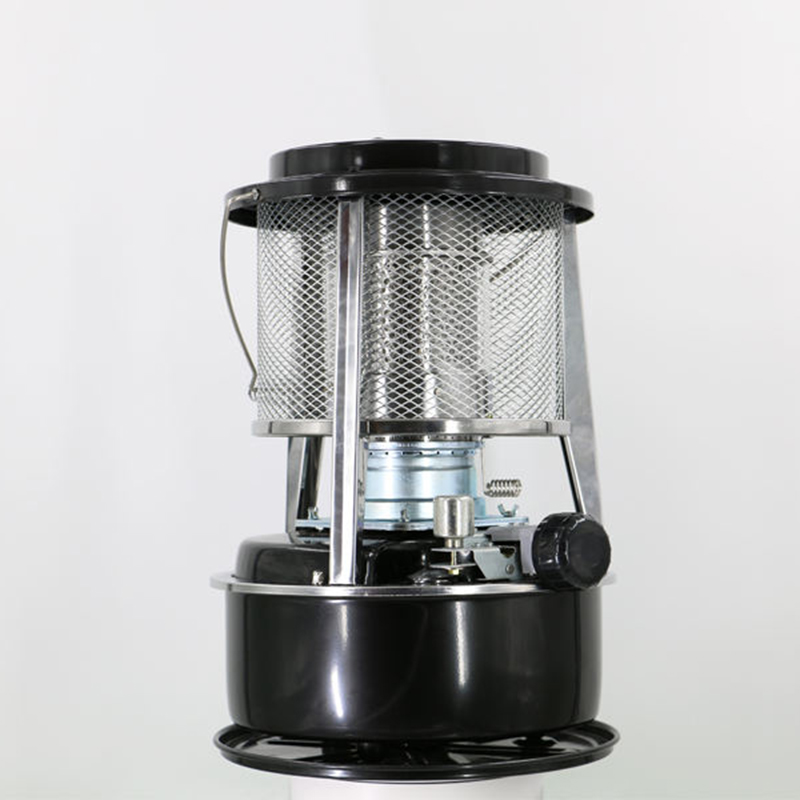
Kerosene heaters have been touted as a cost-effective and efficient way to heat homes, particularly in areas where access to electricity or natural gas is limited. However, the practice of burning kerosene indoors has raised serious concerns among health experts and environmentalists.
According to a recent study published by the World Health Organization (WHO), the combustion of kerosene indoors releases a cocktail of harmful pollutants, including carbon monoxide, nitrogen dioxide, and particulate matter. These pollutants can have serious health implications, especially for vulnerable populations such as children, the elderly, and individuals with respiratory conditions.
The findings of the study have sparked a debate on the safety and sustainability of using kerosene heaters in residential settings. Many experts are calling for stricter regulations and guidelines on the use of these heating devices, as well as greater awareness among consumers about the potential risks associated with indoor kerosene burning.
In response to these concerns, Taizhou Hongxin Electrical Technology Co., Ltd., a leading supplier of kerosene heaters in China, has issued a statement emphasizing the importance of responsible and safe use of their products. With more than 20 years of experience in the design and research of heating products, HONGXIN has been one of the foremost suppliers of kerosene heaters in the country.
The company acknowledges the potential health and environmental risks associated with the indoor burning of kerosene and has pledged to work towards developing more sustainable and eco-friendly heating solutions. They have also committed to educating their customers about the proper use and maintenance of kerosene heaters to mitigate the associated risks.
In light of these developments, it is crucial for consumers to exercise caution when using kerosene heaters in their homes. Proper ventilation and regular maintenance of the heaters are essential to minimize the release of harmful pollutants. Additionally, individuals should be aware of the symptoms of exposure to kerosene fumes, such as headaches, dizziness, and nausea, and seek medical attention if they experience any of these signs.
Furthermore, efforts should be made to explore alternative heating options that are both safe and sustainable. The development of cleaner and more efficient heating technologies can help reduce the reliance on kerosene and other fossil fuels, thereby benefiting both human health and the environment.
As the debate on the safety of kerosene heaters continues to unfold, it is imperative for manufacturers, policymakers, and consumers to work together to ensure that indoor heating practices prioritize the well-being of individuals and the planet. With concerted efforts and a commitment to responsible use, it is possible to mitigate the risks associated with burning kerosene indoors and move towards a healthier and more sustainable future.